Mobile Mechanic Guide
Why Car Batteries Die So Fast in Columbia’s Heat
Columbia tops 90°F about 81 days a year, and heat is the top cause of battery failure. Warning signs, a summer car checklist and costs.
Heat, not cold, is the top cause of car battery failure. Heat speeds up the chemistry inside the battery, boils off its fluid and corrodes its parts. Columbia gets about 81 days a year at 90°F or hotter, so batteries here wear out faster than they do up north. If your battery is three years old or more, have it tested before the next hot spell.
How hot does Columbia really get?
Hot enough to shorten a battery’s life. Here is what the long-term weather records show for Columbia:
- About 81 days a year reach 90°F or hotter. That’s up from about 72 days in the older 30-year records.
- About 6 days a year reach 100°F or hotter.
- July averages about 82°F, day and night together. Afternoons run much hotter.
- The state record is 113°F, set at the University of South Carolina in Columbia on June 29, 2012.
Why it matters: the space under your hood gets hotter than the air outside, and more so when the car sits in direct sun. A battery in a parked car on a Columbia afternoon is baking.
What does heat do inside a car battery?
Most car batteries are lead-acid batteries. They make power through a chemical reaction between lead plates and a liquid called electrolyte. Heat harms them in three ways:
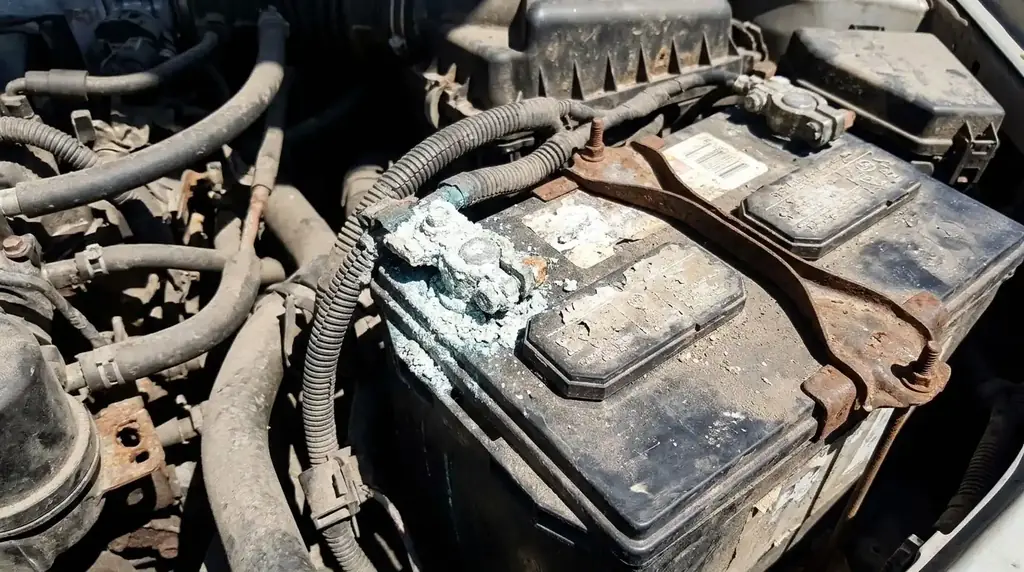
- It boils off fluid. Summer heat makes the electrolyte evaporate faster. Less fluid means less power.
- It corrodes the parts. Faster fluid loss leads to oxidation (a kind of rust) on the parts inside and corrosion on the terminals.
- It weakens the charge. A heat-damaged battery holds less charge and has less cranking power to start the engine.
The damage adds up over time. That’s why a battery can seem fine one day and leave you stranded the next, with little warning.
Why do batteries die after a run of 90-degree days?
Because the stress stacks up. Roadside crews see a clear jump in dead-battery calls once temperatures stay above 90°F for a few days in a row. Each hot day speeds up fluid loss and corrosion. A battery that was already weak often gives out during a heat wave, or on the next morning you need the car.
How long does a car battery last in Columbia?
Often about three years, sometimes less. Most car batteries have a service life of three to five years. In the hottest southern states, the average is about three and a half years or less. In the far north it is closer to five.
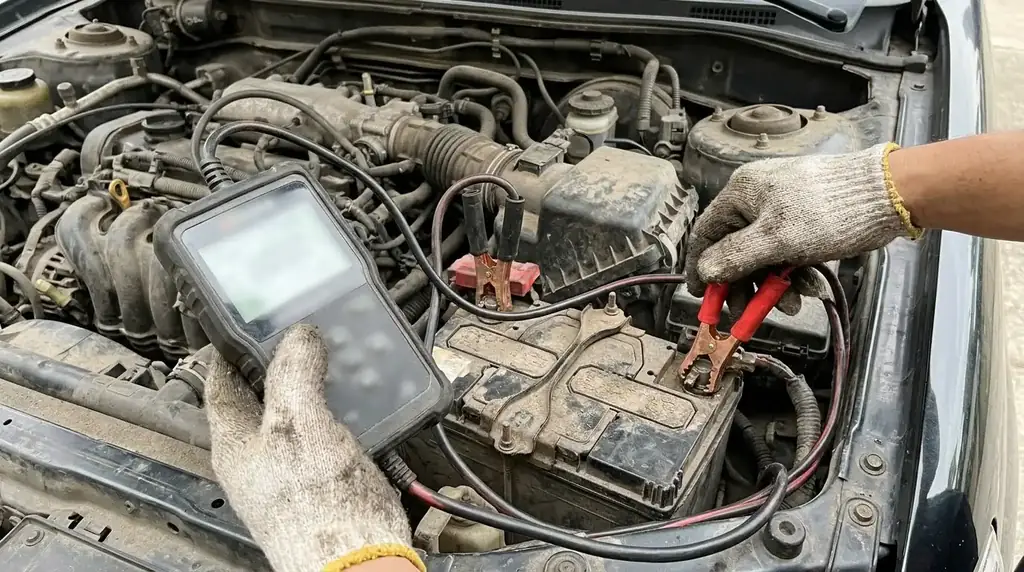
Two simple rules for Columbia drivers:
- Test it every year once it’s two years old. A load test checks whether the battery holds its voltage while it works.
- Think about replacing it at three to four years, before summer, even if it still starts the car.
What are the warning signs of a heat-damaged battery?
- Slow, lazy cranking when you start the car
- A clicking sound, or dash lights that dim when you turn the key
- White or blue crust on the battery terminals
- A swollen or bulging battery case
- The battery is three years old or more, or you’ve already needed a jump
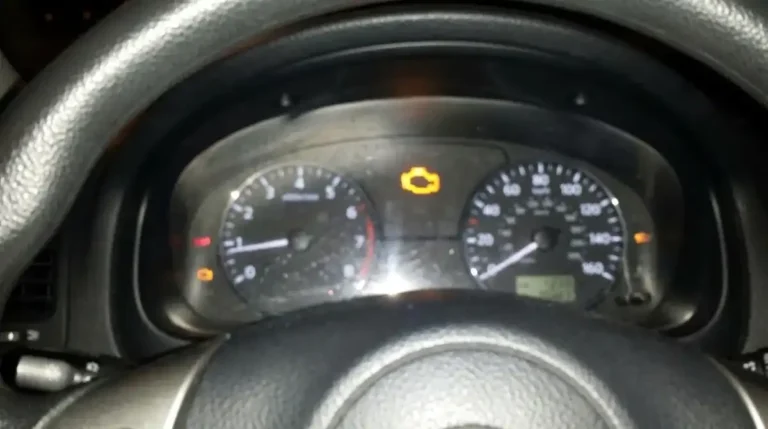
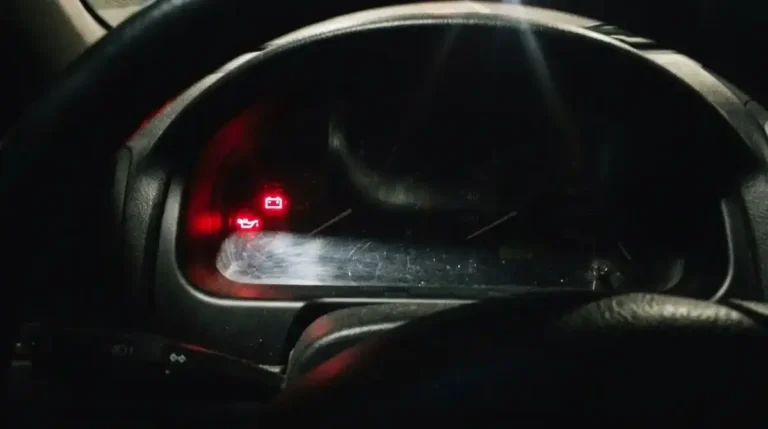
A battery warning light on the dash often means the alternator isn’t charging, not just a weak battery. Our guide on how to tell the alternator from the battery walks you through it. If the car won’t start at all, see car won’t start help.
What should be on your summer car checklist in Columbia?
Heat is hard on more than the battery. Run through this list before June and again in late summer:
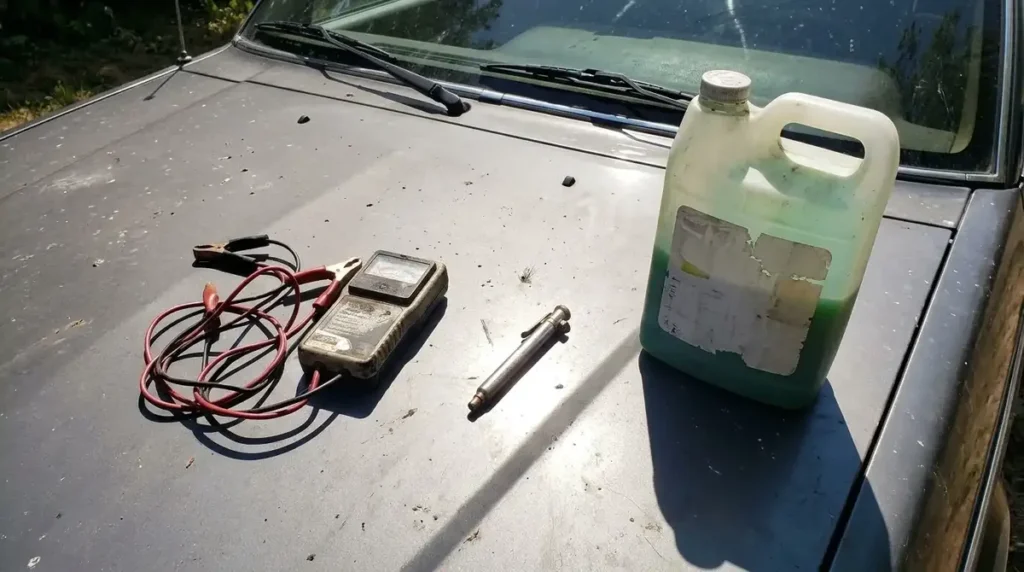
- Get the battery tested, especially if it’s two years old or more.
- Check that the battery cables are clean and tight. Corrosion weakens the connection.
- Park in the shade or a garage when you can. It keeps heat off the battery.
- Ease the electrical load on short trips. Turn off extras you don’t need.
- Use a battery maintainer if the car will sit for weeks. Small drains from the car’s electronics add up.
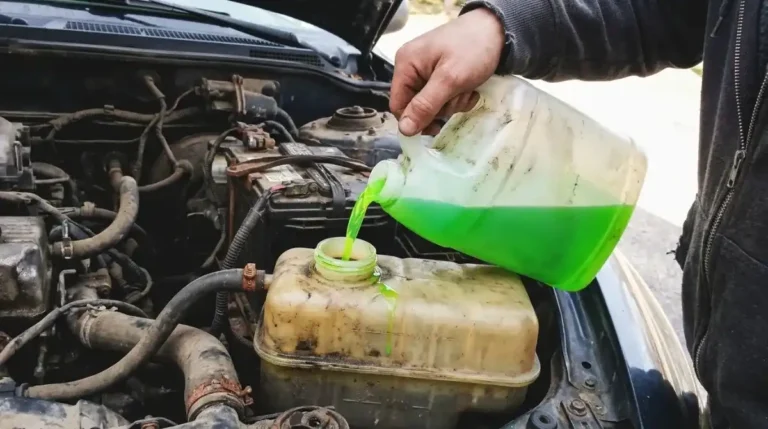
- Check the coolant level only when the engine is cool. Never open a hot radiator cap. If the gauge climbs, see our overheating repair page.
- Check tire pressure when the tires are cold, after the car has sat for at least three hours. Use the number on the driver’s door label, not the one on the tire.
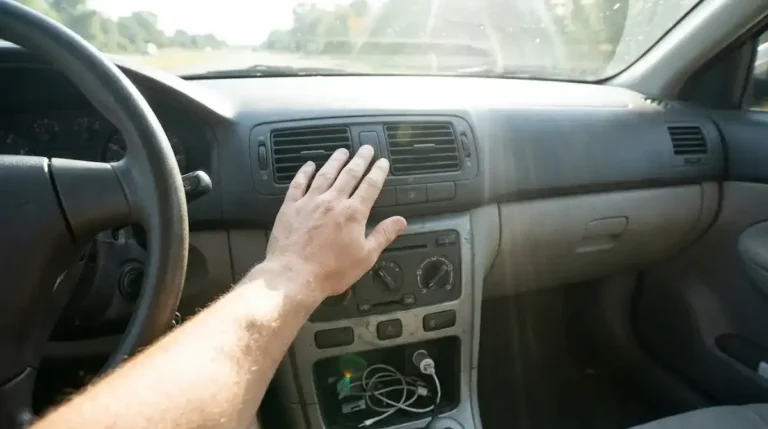
- Have the A/C checked if it’s blowing warm. Our post on why car A/C blows warm covers the common causes.
What does a new battery cost in Columbia?
A battery replacement typically costs about $200–$400 installed in the Columbia area, parts and labor. AGM batteries, used in many cars with start-stop systems, and luxury cars can cost more. Your price depends on the car, and you get it before any work starts.
Can a battery be replaced where the car is parked?
Yes. A mobile mechanic can test your battery and charging system where the car is parked and, if the battery has failed, put in a new one on the spot. See mobile battery replacement in Columbia for how it works.
Columbia Heat and Car Battery FAQ
Battery Weak After the Heat? Call Us
Tell us what the car is doing and where it’s parked. We’ll connect you with a local mobile mechanic who can test the battery where it sits. Calls are answered 24/7.