Mobile Mechanic Guide
Alternator or Just a Dead Battery? How to Tell
The most common car mix-up in Columbia — and how to know which one you’re dealing with before you spend a dime.
It’s the most common mix-up we see in Columbia: a car won’t start, and the owner is certain it’s the alternator — when it’s really just a tired battery. Or the opposite: they keep buying batteries when the real problem is an alternator that isn’t charging. Getting it wrong costs real money, because one fix is cheap and the other isn’t. Here’s how to tell the difference before you spend a dime.
The 10-Second Version
Your battery starts the car. Your alternator keeps it running and recharges the battery while you drive. So the timing of the failure tells you almost everything:
- Won’t start, but jumps right up and keeps running? → Usually the battery.
- Starts fine, then dies while you’re driving (or soon after a jump)? → Usually the alternator.
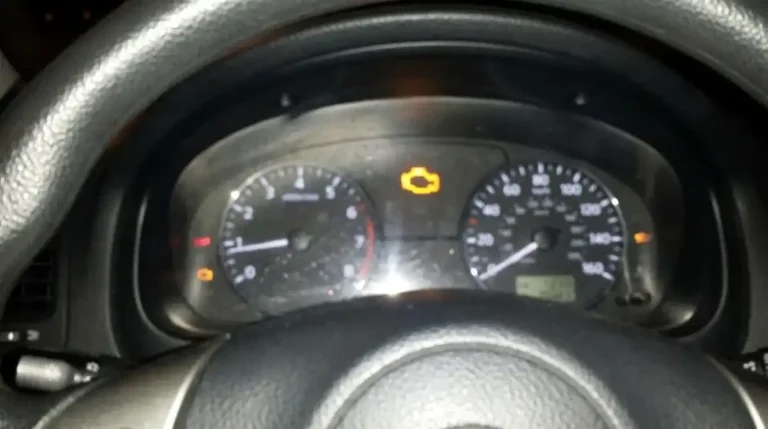
- Dash battery light on, or dimming/flickering lights? → Points to the alternator.
Signs It’s Your Battery
- The engine cranks slowly, or you just hear a click when you turn the key.
- It dies after sitting overnight or a few days, but jump-starts fine.
- Once jumped, it starts and keeps running with no trouble.
- The battery is 3+ years old (2–3 in Columbia’s heat).
- You see white or blue corrosion built up on the battery terminals.
- Headlights are dim only while starting, then normal once it’s running.
Signs It’s Your Alternator
- The car dies while you’re driving, not just at startup.
- Headlights and dashboard lights dim or flicker as you drive.
- The battery warning light (or “ALT”) is lit on the dash.
- You hear a whining or growling noise from the engine.
- Electrical things act strange — radio cuts out, windows crawl, gauges jump.
- You jump it, it runs a few minutes, then dies again.
- A smell of hot or burning rubber (a slipping or failing belt).
The Simple Driveway Test
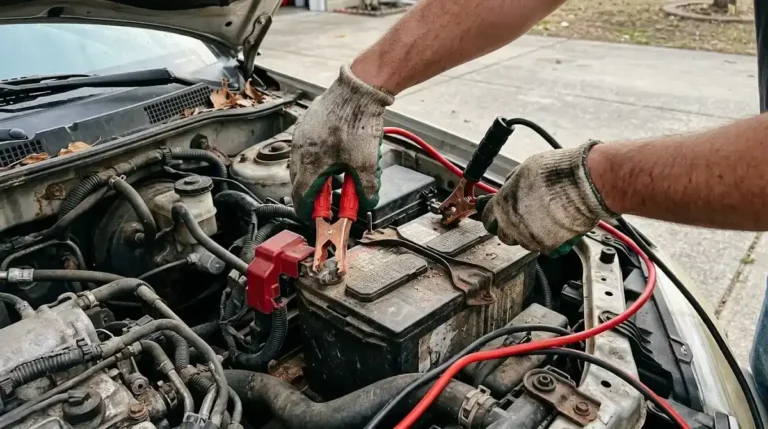
You can narrow it down yourself with a jump start:
- Jump the car and let it idle, then remove the cables.
- If it keeps running fine and restarts later → the alternator is probably charging, and the battery is the weak link.
- If it dies shortly after you disconnect → the alternator likely isn’t charging.
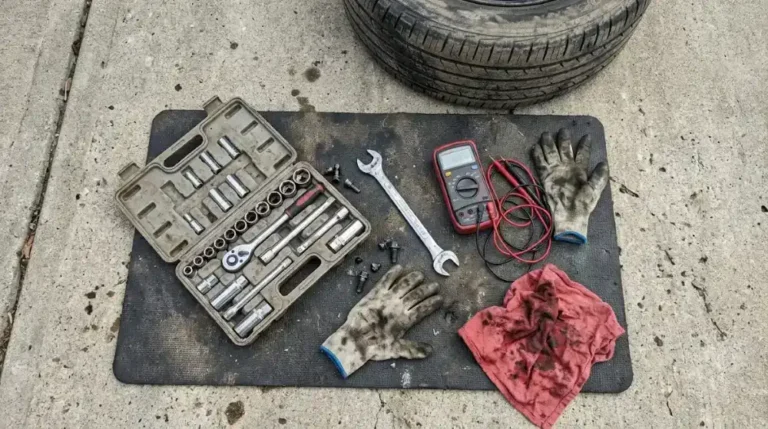
The sure way is a voltage test: a healthy battery reads about 12.4–12.6 volts with the engine off, and 13.5–14.5 volts with it running. If the running voltage doesn’t climb, the alternator isn’t doing its job. That’s a two-minute check we do on-site before we ever quote a part.
Why Guessing Costs You Money
Here’s the honest part. A battery is a relatively cheap fix. An alternator costs more in parts and labor. So if a shop “guesses” alternator when you only needed a battery, you overpay. Guess battery when it’s really the alternator, and you’re stranded again within a week — having wasted money on a battery the bad alternator just drains. This is exactly why we test both before we replace anything, and tell you straight which one it actually is. If you only need the cheaper fix, that’s all you’ll pay for.
Columbia’s Heat Is Hard on Both
South Carolina summers shorten battery life — the heat evaporates the fluid inside and corrodes the plates, so batteries here often last 2–3 years instead of 4–5. That same heat makes the alternator and belt work harder. So in the Midlands, both failures tend to show up sooner than the manual promises — and a battery that tested fine in spring can quit on the first 98° week of summer.
Not Sure Which One It Is? We’ll Test It, No Guesswork.
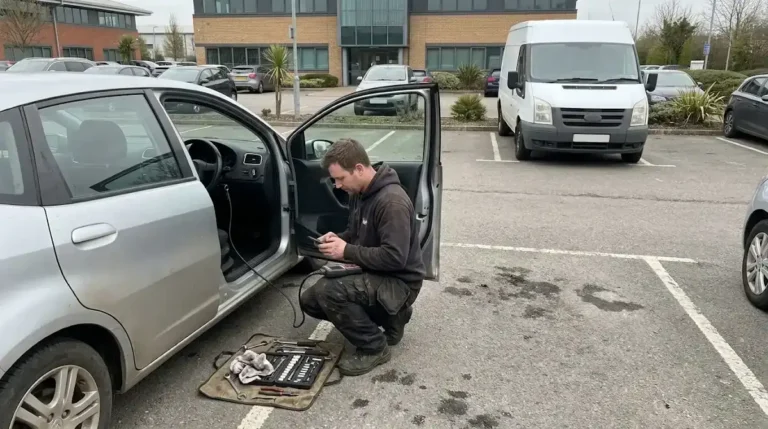
We come to you in Columbia, test the battery and alternator on the spot, and fix whichever one is actually bad — usually within the hour.