Mobile Mechanic Guide
Should You Tow Your Car or Call a Mobile Mechanic?
Car broke down in Columbia? When a mobile mechanic can fix it where it sits, when you really need a tow, and what each costs.
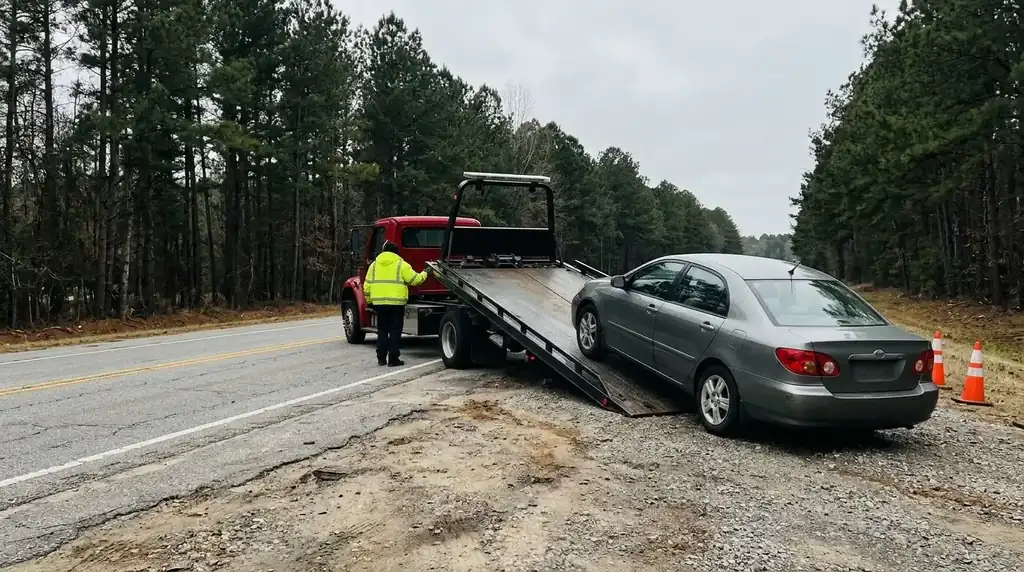
Call a mobile mechanic when your car is parked somewhere safe and the problem is one that can be fixed on the ground, like a dead battery, a bad alternator or starter, or worn brakes. Call a tow when the car is in an unsafe spot, was in a crash, is smoking or leaking badly, or needs a job that takes a lift. A basic local tow in the Columbia area typically costs about $100–$200, so skipping it can save real money. Not sure which one you need? Call (839) 269-9955 and describe what the car is doing.
How do you decide in under a minute?
Ask yourself three questions. If you can answer “yes” to all three, a mobile mechanic is usually the better first call.
- Is the car somewhere safe? A driveway, a parking lot or a work lot is safe. A live lane or a narrow shoulder on I-26 is not.
- Is the car safe to sit next to? No smoke, no fire smell, no fuel leak and no fluid pouring out underneath.
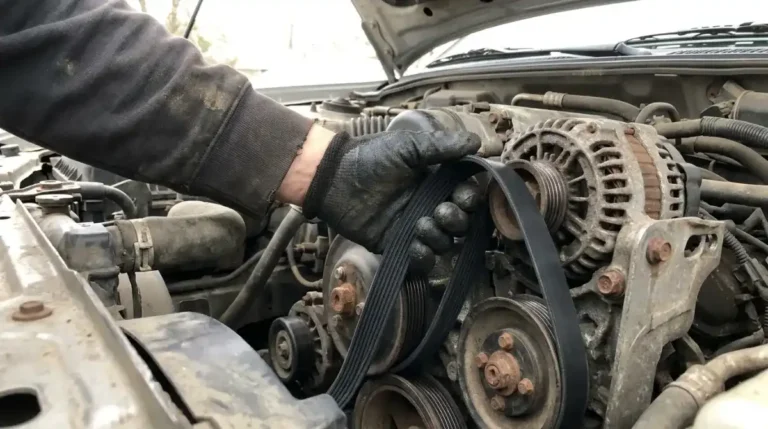
- Is it a “ground-level” job? Batteries, alternators, starters, brakes, belts, hoses and most diagnosis can be done where the car sits. Big engine or transmission work cannot.
If any answer is “no,” start with safety first. Then plan on a tow.
When does a mobile mechanic make more sense?
A mobile mechanic is a good fit when the car is parked safely and the problem is common. These are the calls that most often end without a tow:
- The car won’t start. Most no-starts come down to the battery, the alternator or the starter. Our car won’t start page explains what each sound means.
- The battery is dead or weak. A mechanic can test it, and replace it if it has failed, where the car is parked. See mobile battery replacement.
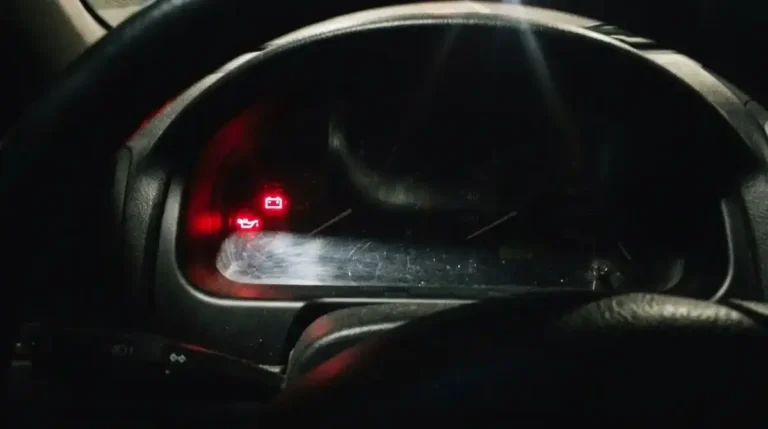
- The battery light is on, or the car died after a jump. That often points to the alternator. See alternator and starter replacement.
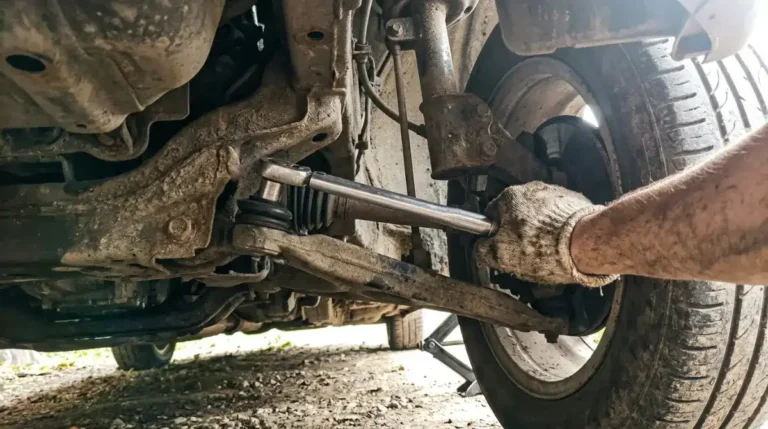
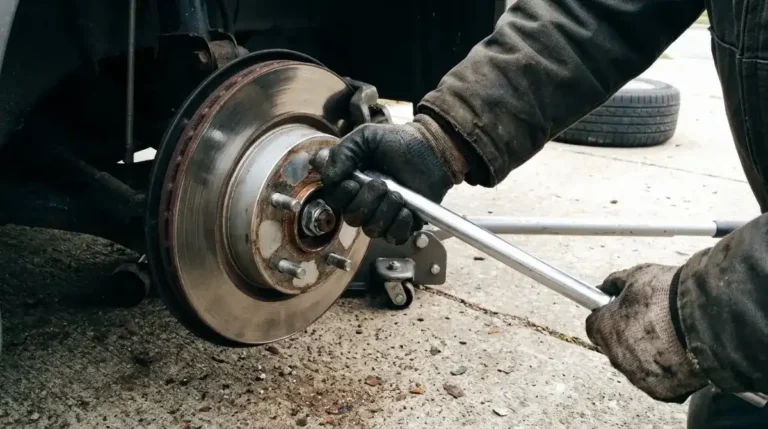
- The brakes squeal or grind. Pads and rotors are ground-level work. If the pedal goes to the floor, do not drive the car. See mobile brake repair.
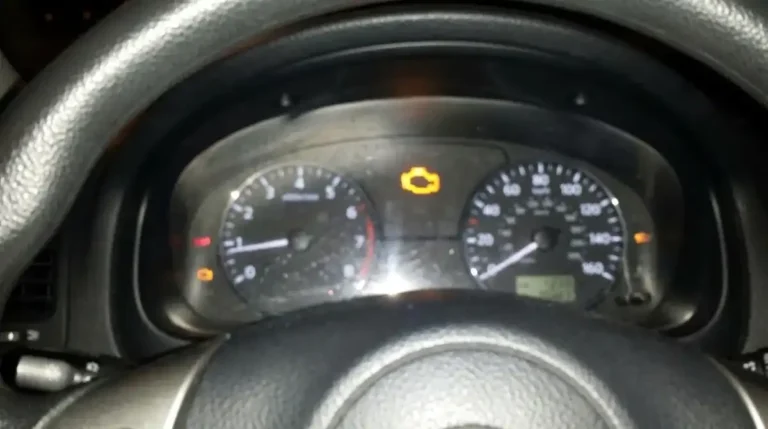
- The check engine light is on. A scan tool reads the trouble codes on the spot and tells you how urgent it is. See check engine light diagnosis.
The mechanic finds the cause first. You get the price before any work starts. If the job turns out to need a shop, the mechanic should tell you plainly.
When do you really need a tow?
Some problems are not safe or not practical to fix in a parking lot. Plan on a tow when:
- The car was in a crash. Damage you can’t see can affect steering, brakes or the frame.
- The car is in an unsafe place. A busy shoulder, a curve or a live lane is no place for a repair.
- You see smoke or smell burning, or fuel is leaking. Get away from the car and call 911 if there is any sign of fire.
- The brakes or steering have failed. Don’t drive a car that can’t stop or steer.
- The engine knocks loudly or has seized, or the transmission won’t go into gear. These jobs need a shop and a lift.
- The mechanic says it needs a shop. Major engine or transmission work, wheel alignments and tire mounting are shop jobs.
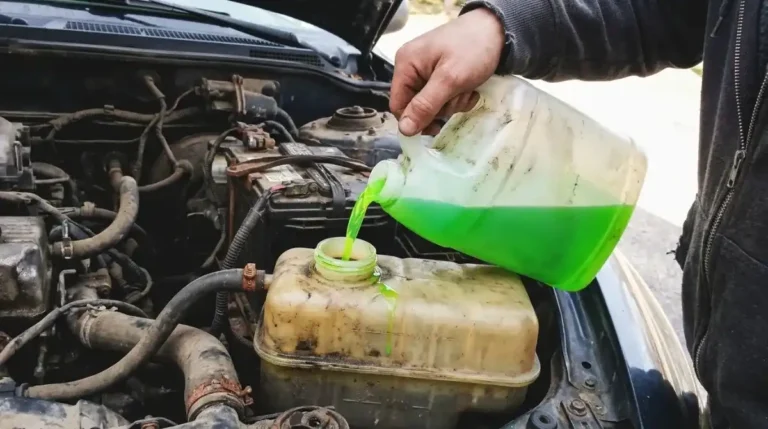
An overheating car is a special case. Pull over, turn the engine off and let it cool. Never open a hot radiator cap. Many cooling problems, like a hose, thermostat or water pump, can be fixed where the car is parked. Our overheating repair page has the steps.
What if you break down on I-26, I-20 or I-77?
Get to safety first, and fix the car later. Turn on your hazard lights and steer as far off the road as you can. If you can reach an exit or a parking lot, go there.
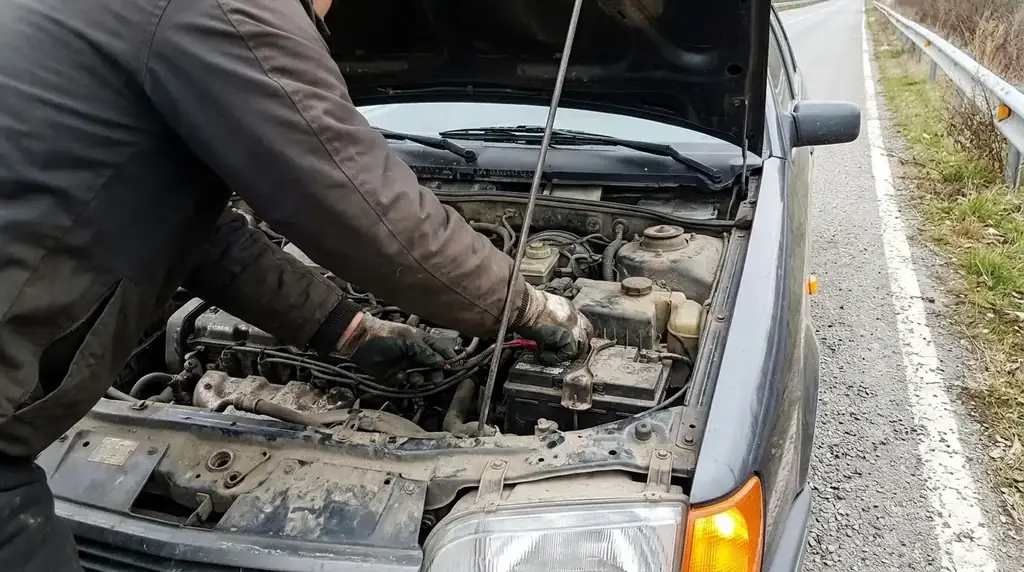
On the main highways in the Columbia area, you can dial *HP (*47) and ask for SHEP. SHEP is the state highway department’s free roadside help program. It can change a flat, jump a dead battery, bring fuel or make small repairs. Columbia is one of its patrol zones. It runs on posted daytime hours: 7 a.m. to 7 p.m. on weekdays, 9 a.m. to 7 p.m. on Saturday and 9 a.m. to 5 p.m. on Sunday.
If SHEP gets you moving, drive to a safe spot. Then a mobile mechanic can find out why it happened. If the car can’t move at all, a tow to a safe place comes first.
How do the costs compare?
For a common repair, you pay for parts and labor either way. The big differences are the tow and your time. Prices vary, so ask for the full price up front.
- A basic local tow in the Columbia area typically runs about $100–$200. Longer tows cost more per mile.
- A mobile mechanic drives to you instead. Some charge a trip or service-call fee, and some build travel into the job price. Ask when you call.
- Diagnosis is charged either way. A check engine light diagnosis typically runs $120–$180 in the Columbia area.
If the trip fee is less than the tow, the mobile route costs less for the same repair. You also skip the ride to and from the shop. For a side-by-side example, see what a mobile mechanic costs in Columbia.
Check your own coverage too. Many car insurance policies, auto clubs and new-car plans include roadside help. It may pay for a jump or a tow.
What should you tell the mechanic when you call?
A few details help the mechanic bring the right parts and tell you if the job fits a driveway:
- The year, make and model of the car
- What it is doing: clicking, cranking slowly, no sound at all, a warning light, a noise or a smell
- When it started, and whether a jump helped
- Where the car is parked, and whether it is a safe spot to work
Driveway Mobile Mechanic connects Columbia drivers with independent local mobile mechanics. When you call, you’re routed to a mechanic who serves your area. That mechanic sets the price and gives it to you before any work starts.
Tow or Mobile Mechanic FAQ
Not Sure If You Need a Tow? Call First
Tell us what the car is doing and where it’s parked. We’ll connect you with a local mobile mechanic who can tell you if it can be fixed there. Calls are answered 24/7.